Japan · Ordinary streets
The street that is still buying groceries.
Hidden is a marketing word. What is on offer is ordinary: a shotengai that lost three shops and kept a hardware store, a bathhouse that is also a café, a prefectural capital the campaign did not light. The country is still buying milk. A guest may walk through that fact quietly.
The living culture
Harmony on a quiet street is the same civic skill as on a packed platform, only thinner. Voices stay down because walls are close and the greengrocer is also a neighbor. The workweek is visible in shutters that rise late and close when the last regular has been served. Family is a hardware store that still cuts a key, a grandmother unlocking a street that has lost three shops since the last Games, young people who took a slower train to a town that still has a bus that comes when it comes. They are not a tragedy. They are a vote.
History that is still underfoot: Japan’s postwar rebuild concentrated life around stations, then the long emptying of some prefectures left the covered arcade as a living room with gaps. A shotengai is not a quaint roof. It is a municipal habit — shade, a clock of regulars, a public room that did not ask to be discovered. Walk it as a commute someone else still has. That fact changes the shoulders.
What is there to sit with
Yanaka is already in the book and still a neighborhood of temples, cats, and a slope that is also a school route. Kanazawa holds a castle town’s grain without needing to be a secret. Fukuoka is a door toward Korea and an argument about ramen that belongs to a port. Hiroshima is a walk a guest takes seriously, then a street that sells bread again. A provincial capital on a Sunday is the honest museum: who holds whose bag, which shops slept in.
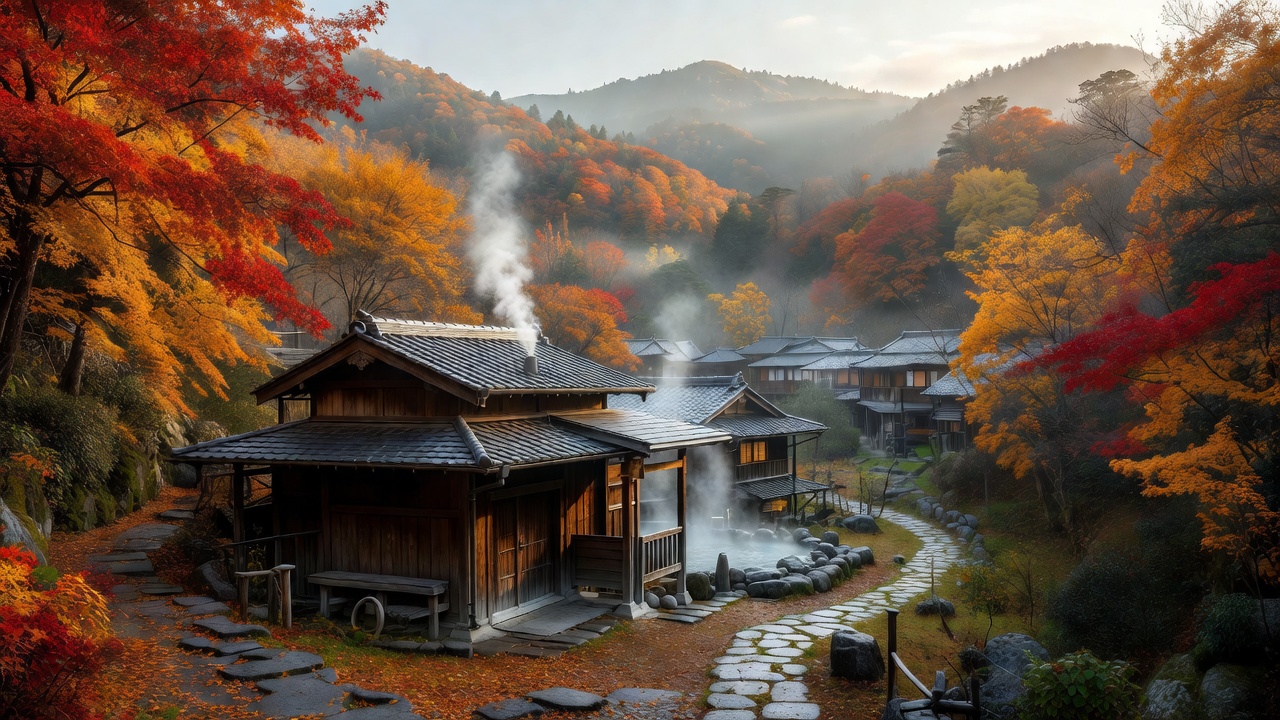
Onsen towns have check-in weather and a street in yukata that is also a local evening. Covered arcades in second cities sell the same screws as Tokyo, with more air. A bathhouse café, a riverside path that is not a campaign, a station bench that faces the tracks. These are offerings, not a circuit. Slack is a time of day and a willingness to spend an afternoon where nothing is required except not blocking the sidewalk.
What you can learn from it
The lesson is slack, not secrecy. The internet turned quiet shrines into queues. What remains is not a GPS pin. It is a guest who can inhabit a street that has no performance planned. Public space in a shotengai is a living room with a roof: buy something small if a stool was used. Time here is the shutter, not the itinerary. Craft is the hardware store that still knows a hinge.
Family teaches the residential lane. Passing through a commute is allowed. Tasting someone’s laundry with a lens is not. Transferable literacy: do not hunt a password. Hunt an ordinary hour. Second cities are a mood, not a failure of the capital. The trophy lane can wait until after lunch. The country will still be there, buying groceries.
How to stay a guest
Voices down. Camera down until the street is clearly not a garden. A shotengai is not a set. An onsen street is a bathrobe economy; do not treat it as a commercial. Ask a stranger for a neighborhood or a kind of shop, not for their last quiet bench so it can be posted. If a café is famous for being unknown, it is a queue. Go for the coffee if the coffee is wanted.
Do not publish a vulnerable place as a prize. If the street cannot absorb a bus, it should not absorb an audience. Minority neighborhoods are not exotic texture. Memorials are not backdrops. A Sunday station is the method: watch who is meeting whom. Then take the train that is actually leaving.
If a lane needs a password, it did not want a guest. If a street is buying groceries, walk through quietly.
Decide
Decide
Where instead of Kyoto’s crowded lanes?
One cluster in Kyoto, early. Or a different city. Kanazawa, a smaller castle town, a coast that is not a campaign. Early and side beat a password.
Is a residential street off limits?
No, if it is treated as a street: no drones, no blocking gates, no lens on a laundry pole. A guest is passing through a commute.
What about cafés known for being unknown?
If a room is famous for secrecy, it is a queue. Sit for the drink if the drink is the point. Do not sit to collect a secret.
Can a stranger be asked for a favorite place?
A neighborhood, a station, a kind of shop. Not the last quiet bench. They still have to live there after the post.
How to sit with this
Choose slack, not a pin
A time of day or a second city. A map app’s list of quiet prizes is already a crowd.
Enter as if a grocer is coming the other way
Because they are. Shoulders in. Voice down. Buy something if a stool was used.
Spend a Sunday at a station
The honest museum. Who holds whose bag. Then the train that is leaving.
Do not publish a thin street as a prize
If the lane cannot absorb a bus, it should not absorb an audience.
This is a culture desk, not a booking desk. Official entry and rail numbers live on their source pages — we will not invent a fare here. Prefer the atlas if you want the next country, or Understand if you want the next category.