Japan · essay
Sunday at a Japanese station is the honest museum.
You will not see the apartments. You will see the outside of the inside: shoes lined in a genkan you are not invited through, a balcony with laundry and one plant, a grandparent walking a child who is not theirs every day but is. The platform is the room the city will let you into. Sit still. Watch who holds whose bag.
The living culture
Japan dates. People fall in love on trains and in bookstores and in group dinners that look like nothing. The living culture on a Sunday concourse is larger than that: a father with a backpack that is too organized, high-school clubs in matching jackets, loud and then suddenly polite, couples who still have not decided the apartment question.
Households run small. Three generations in one frame is a film you already saw. Two generations sharing a Sunday, then going back to separate doors, is more of the platform. Someone is aging. Someone is buying the extra bento. Someone is taking the slower train because the parent does not do stairs the way they used to.
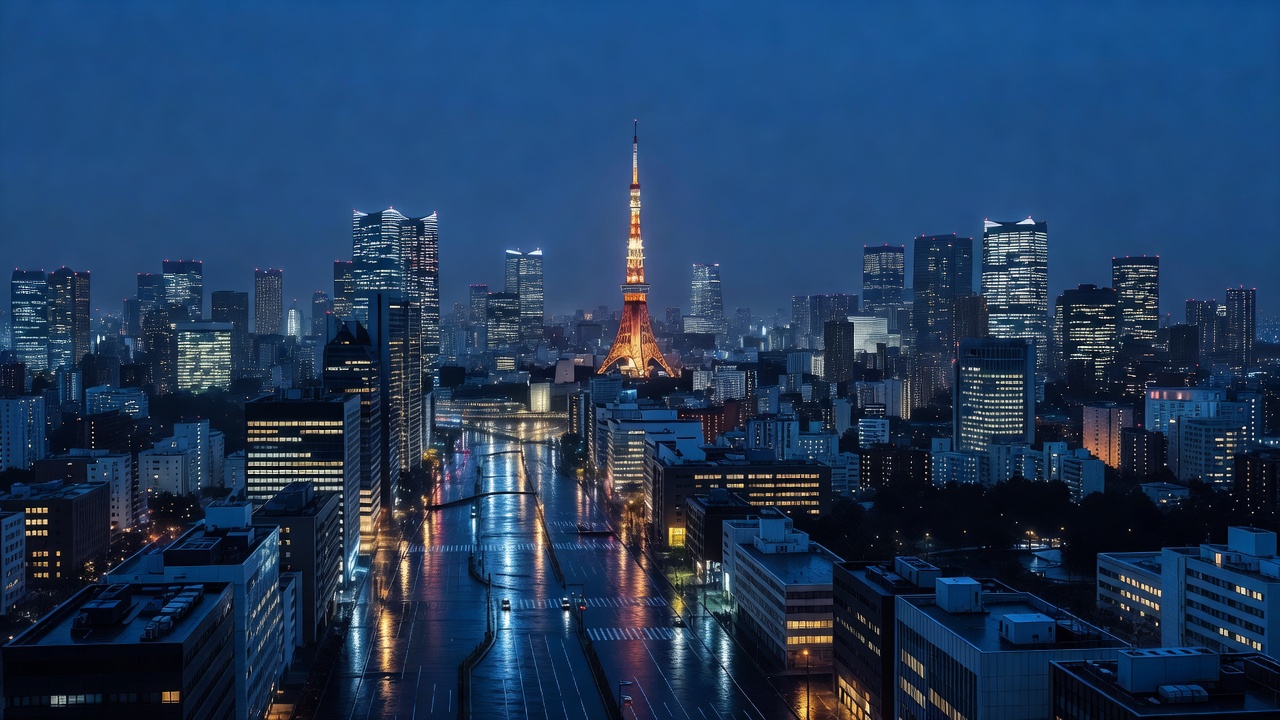
Watch who holds whose bag. That is the city more than any tower.
What is there to sit with
Shinjuku or Ueno on a Sunday if Tokyo is the week. Hakata if Kyushu is the week. Any big interchange if it is not. One hour. Phones mostly in pockets. A grandmother holding the ticket gate open with her body so a stroller can pass. A finishable meal from a plastic tray. Two people who have not decided the lease.
You will see the threshold you are not invited through. Shoes pointed at the door. That essay lives on the genkan. The lived-in survey of boxes and danchi: how houses feel.
What you can learn from it
Care is the quiet labor. You will not interview them. If you are a guest, you are walking through that labor, not collecting it as atmosphere. A finishable meal is not always loneliness. Sometimes it is the night after looking after someone. Sometimes it is a shift that did not include a table.
The country stays livable because people do not take all of you. Help with a map, then vanish into their own manners. Instant intimacy is the problem. Consistency over intensity is how a crowded country keeps a private room. Ask before a face. Architecture can take the frame.
Decide
Decide
What is there to sit with at a Sunday station?
Who holds whose bag. A grandmother making her body into a gate so a stroller can pass. An adult daughter who splits at the wickets. Two people sharing a convenience-store meal who have not decided the lease. That is the house. The date is one room. Longer grain: how people date.
What can a guest learn here?
You will not see the apartments. You will see the outside of the inside. Care is the quiet labor. A finishable meal is not always loneliness. Sit. Watch. Leave the phone in the bag. Do not collect people as atmosphere.
Which station is the museum?
Can you photograph it?
Usually, no — not the faces. The national tourism office says to ask before you photograph a person, even in public. The subway asks you not to photograph other commuters. A stranger on a bench is not a set. Sit. Watch. Leave the phone in the bag until the architecture is the only subject.
Is the person eating alone lonely?
Not always. A finishable meal from a plastic tray is sometimes the night after looking after someone. Sometimes it is a shift that did not include a table. Convenience stores are infrastructure — how a working country stays fed. Do not collect the bench as atmosphere.
How to stay a guest
Be a guest in the concourse
Pick a bench and stay until the street has a face
Shinjuku or Ueno on a Sunday if Tokyo is the week. Any big interchange if it is not. One hour. Phones mostly in pockets. The nineteenth pin will not remember you.
Watch labor, not costume
Who holds the bag. Who makes a gate of their body. Who splits at the wickets. Do not treat the person across from you as a corridor through Japan.
Do not photograph commuters
Ask before a face, even in public. The subway already asked you not to. Architecture can take the frame. People are not extras on a map you paid for.
Leave like a person who has a last train
The convenience-store meal on the bench is allowed. Then go. Tokyo as villages if the afternoon still wants a street. Courtesy is how a crowded country stays livable.
The free Japan kit stays free. The depth pack is the longer offline read.