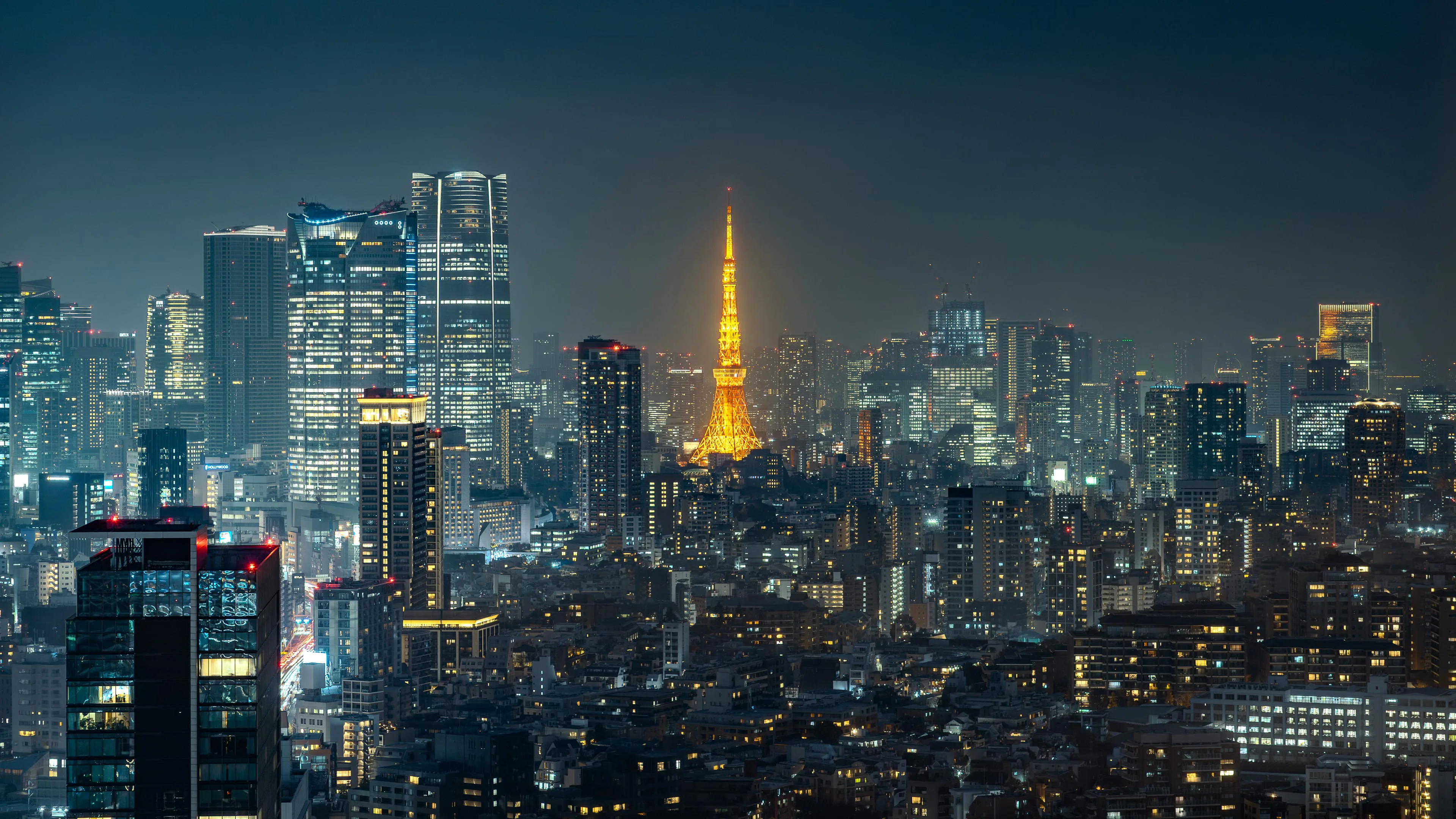
Japan · courtesy
Courtesy is not decoration.
A crowded country stays livable because people leave each other room. Someone will help you read a map, then return to their own business. Voices stay low. Trash goes home in your bag. A polite no still means no. Treat courtesy as the price of admission. We will not invent fines to make a warning sound official.
The living culture
The cost of travel is not only money. It is the reservation you forgot to make, the queue that swallowed an afternoon, the polite no that still means no. Kyoto’s lanes and the temple approach at Asakusa are crowded not because Japan failed at tourism, but because the world arrived and the streets stayed the same width. Being a guest means you are not the main character on someone else’s walk to the grocer.
Tokyo Metro asks passengers to silence their phones. Much of the country needs no sign. In Hiroshima, if you would not do it at a funeral, don’t do it there. In Gion, never follow someone in kimono for a photo. For the practical side of arriving, read Japan first days.
Treat courtesy as the price of admission. That is respect, not submission.
What is there to sit with
The genkan is a boundary. Shoes come off at the step; wear them inside and you have brought the street onto the floor. Read the genkan essay. A marked smoking area is a boundary. So is a ticket gate, and so is a shrine still in use. Follow the floor, the painted lines and your host’s lead.
A Sunday at a big station shows daily life better than any camera. Photograph the architecture, and let people be. When unsure, watch before you act. A convenience-store dinner is fine. A temple approach is not a picnic spot. See how meals work.
What you can learn from it
Quiet is not coldness. It is a way of treating privacy as something everyone shares. A crowded island stays a pleasant public space because people leave each other room: they help with a map, then step back. That is a habit worth taking home.
Drugs are not a travel tip, and residence status is a matter for the government. We will not print a penalty chart to fill the page. The Immigration Services Agency and the Ministry of Foreign Affairs publish the rules for your passport. We use official sources or say nothing. Official sources: Japan entry · MOFA: Exemption of Visa (Short-Term Stay).
Decide
What can a guest learn from Japanese courtesy?
That courtesy is not decoration. Keep your voice low on trains and your phone close. Carry your trash until you find a bin. Never block a ticket gate or a shrine path for a video. That is how a crowded country stays livable. We will not invent a fine to make a warning sound official.
What is there to sit with in public?
Japan is full of quiet boundaries. The genkan, the entry step of a home, is one; read the genkan essay. A marked smoking area is another, and so are a ticket gate and a shrine still in use. Follow the floor, the painted lines and your host’s lead. When unsure, watch first.
Can I photograph people on the street?
In general, ask first, even in public. Japan’s national tourism office advises this, and Tokyo Metro asks passengers not to photograph other commuters. A stranger on a bench is not part of the scenery. Buildings make fine subjects. People deserve to be asked. For a way to watch daily life without a camera, read Sunday station.
What about smoking, bikes, and the sidewalk?
Smoke only in marked rooms or designated outdoor areas, never on a temple approach or near a passing stroller. Bicycle rules vary by ward, so follow the painted lanes and signs on the street you are on. We will not invent a penalty or repeat a citywide rule from an old blog. Check with the ward or the venue, then walk on.
Will you list visa rules or overstay fines?
No. Short-stay rules depend on your passport. Start with the Ministry of Foreign Affairs, not a blog. We will not guess your entry stamp, invent a fine, or suggest a digital-nomad shortcut. Official sources: Japan entry · MOFA: Exemption of Visa (Short-Term Stay).
How to stay a guest
Keep voices low, carry your trash, and ask before a portrait
Treat the train car as someone else’s living room
Keep your phone close and quiet. Save calls for the platform, however urgent they feel. The commuters around you already know which stairway to take.
Carry your wrapper until you find a bin
Bins can be hard to find, and carrying your trash is simply good manners. A convenience-store dinner is fine. A temple approach is not a picnic spot. See how meals work.
Never block a ticket gate or a shrine path
No video is worth it. In Kyoto, you are on someone’s walk to the grocer. Read our Kyoto guide.
Don’t make up the rest of the rules
Read ward signs, venue signs and official entry pages. We will not repeat an old blog’s fine as fact. For a longer read, see being a guest.
The Japan kit is free. Print it, or read it offline on the plane.