Japan · top 10
These ten Japan rooms still earn a day.
Not the internet’s recycled ranking. These are days we would still sit with if the algorithm disappeared. Famous names appear only when they still feel like places, not queues with souvenirs. Read them as rooms. Then stay a guest.
The living culture
A numbered piece still has to be a story. Each line below is a room a guest can sit in: villages on a subway map, a wooden basin, a merchant kitchen, a park that is still a fact, a shutter that still means something, a port that still has a job.
Original Yomu edit. We did not lift this order from a guidebook. Skip any line that does not match your season or energy. The decisions underneath — how to stay a guest, when the country travels inside itself — live on Ten decisions.
What is there to sit with
- Tokyo as villages, not a trophy. One neighborhood cluster per day. See the Tokyo room. Yanaka if the capital should drop a few decibels — Miyano-Yu.
- Kyoto before the buses wake up. One temple cluster, then lunch that is not a matching yukata photo line. Kyoto.
- Osaka when you are hungry enough to be honest. A pole (Umeda or Namba), standing food, a canal walk. Osaka.
- Nara as a half-day, not a deer theme park. From Osaka or Kyoto. Leave before it becomes only selfies and crackers.
- Hiroshima + Miyajima as one human day. The Peace Memorial asks for a quiet walk. Give it quiet. The island is the exhale after.
- Kanazawa if you want a castle town without Kyoto’s tour density. Gardens, seafood, a night that still ends.
- Naoshima (or Teshima) when art should be weather. Only with a night. A day-trip turns the Seto into a commute.
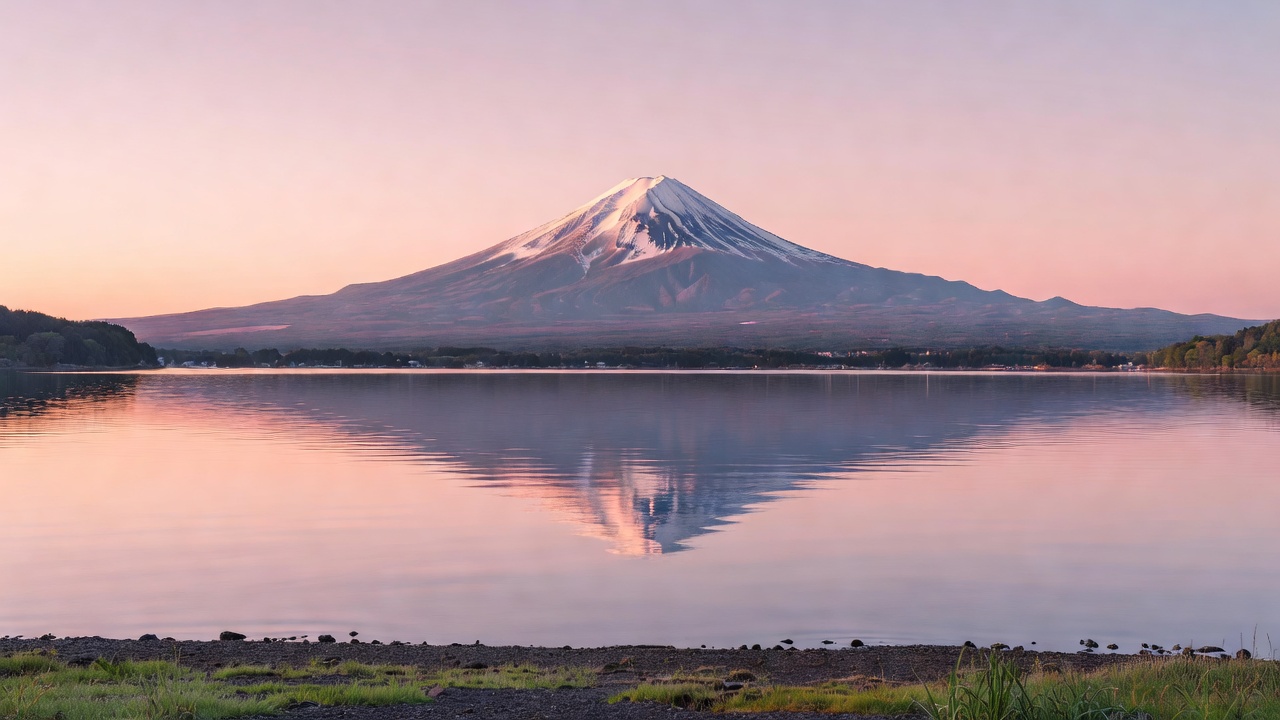
- Hakone or Kawaguchiko for Fuji — if the mountain shows up. Clouds cancel views. Build a backup onsen day so you do not bargain with the sky.
- Fukuoka as a south-gate city. A late bowl, a slower tempo than Osaka, a port if you are hopping to Korea later.
- Hokkaido or Okinawa as a second trip, not a guilt add-on. Distance is real. Do not smash Sapporo into a Classic 10.
A top ten is a menu. You still have to order like a person with legs.
What you can learn from it
Thin is honest. Stacked is a commuter invented for a photograph. One room finished teaches more than five names collected. Rail money, if steel is even in the week: JR Pass 2026. Official tables only.
A guest who treats this menu as a stamp rally will become weather in someone else’s morning. Sit. Leave. The country will still be here tomorrow.
Decide
Decide
Is this the internet’s ranking?
No. Original Yomu edit. We did not lift this order from a guidebook. Skip any line that does not match your season or energy.
How to stay a guest
Order like a person with legs
Pick three rooms, not ten trophies
A village, a cluster, a kitchen. Or one city done kindly. The ten decisions sit under the menu.
Give Hiroshima a mind, Hakata a night
The Peace Memorial asks for a quiet walk. Hakata is a port, not a checkbox. Then Miyajima, or the Korea door, if the week still has slack.
Leave the second trip as a second trip
Hokkaido and Okinawa are distance. Do not smash Sapporo into a Classic 10. Then the next train.