Japan · history
The sidewalk remembers how fast the city was rebuilt.
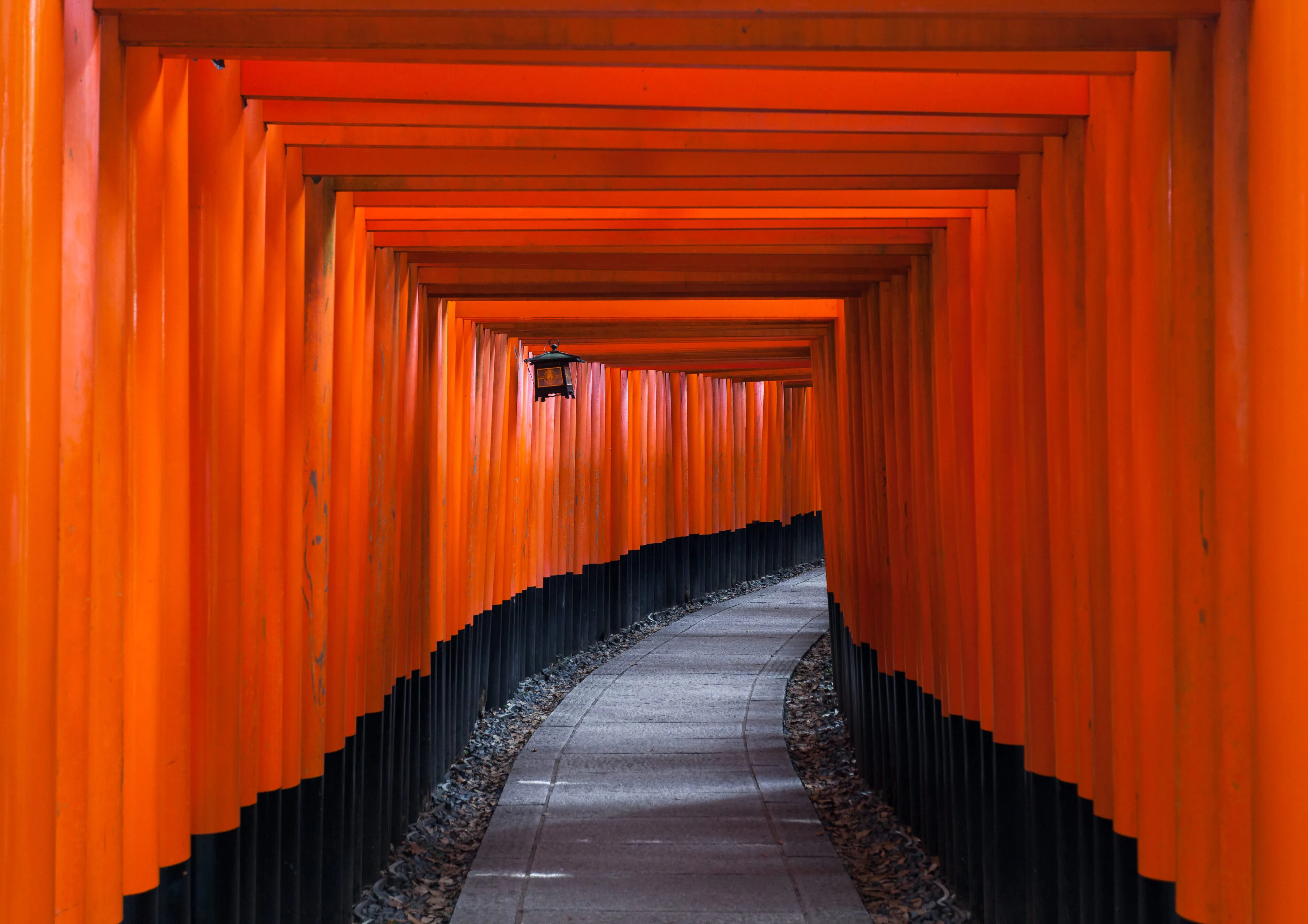
Skip the shoguns for now and start with the rebuilding. History is the height of a second floor, a shrine still in daily use, a path that stayed the same width when the world arrived. The country is not a costume drama for visitors to walk through. It is a population that has already gone to work.
The living culture
Postwar Tokyo poured concrete in a hurry, then dressed it up. Both Olympics left marks you can still see: the expressways of 1964, signage left from 2020, a lane a little too narrow for the crowd it carries today. “Old Tokyo” is often a shopfront choice, a timber face on a steel frame. The width of the alleys still follows the Edo street plan. A shrine is part of the neighborhood’s daily life, not only a sight.
Kyoto keeps writing new rules to protect its machiya, because the old townhouses keep being torn down. The wooden lattice photographs well. Behind it are winter, the carpenter, and a home that needs constant care. That story belongs with the homes themselves, from 2LDK apartments to wooden floors, in how houses feel.
History here is the height of a second floor, the Yamanote Line still serving as the city’s backbone, a bathhouse that outlasted the era of bathhouses.
What is there to sit with
One neighborhood. One shrine still in use. A museum or a park, not both plus a tower. In Hiroshima, the Peace Memorial asks for a quiet walk, then Miyajima if the day has room. Sometimes the garden is the most honest place. Sometimes the station is. On a Sunday, the most honest museum is still the concourse.
A visitor who only meets staff may think Japan is a service. A visitor who slows down sees a population: aging, courteous, tired, and still showing up. Some young people have moved to smaller prefectures, where a hardware store survives. That move is not a tragedy. It is a choice about how to live.
What you can learn from it
Overtourism is a resident who cannot buy bread on their own street in April. The shrine approaches did not widen, and you are walking on someone’s route to the grocer. Read Kyoto if your week centers on one district, and courtesy for how the country stays livable.
Never walk into a private alley because the light looked good, and never follow someone in kimono. A machiya is someone’s home through the winter. Festival dates shift, so check the city’s official tourism page the month you book. See how the year usually unfolds.
Decide
What is there to sit with of Japanese history?
A walkway a little too narrow for today’s crowds. The expressways of 1964. Signage left from 2020. A shrine that is part of daily neighborhood life. In Hiroshima, a park that keeps a hard fact in view. In Kyoto, a machiya townhouse that needs constant care. History here is felt in that friction, not in costume.
What can a guest learn from it?
Skip the shoguns for now and start with the rebuilding. History shows up in the height of a second floor, in the Yamanote Line still serving as the city’s backbone, in a bathhouse that outlasted the era of bathhouses. A chart of dynasties will not help you on the platform. The city essay is Tokyo, one neighborhood at a time.
Is the castle the most honest place to start?
Sometimes the garden is. Sometimes the station is. A reconstructed castle keep is a fine choice if you know what you are seeing. On a Sunday, the most honest museum is still the station concourse, watching who carries whose bag, not a diorama you paid to enter.
Can I treat Hiroshima as a quick half-day stop?
No. Begin at the Peace Memorial Park and Museum while you are still fresh, then take the ferry if the day has room. One night is better than a stopover that rushes the museum. We will not invent opening hours. Read Hiroshima and Miyajima.
How to stay a guest
Notice the friction, skip the costume
Start with the rebuilding, not the brochure’s emperors
One neighborhood. One shrine still in use. A museum or a park, not both plus a tower. If the capital is your week, see Tokyo one neighborhood at a time.
Give Hiroshima real time, not a stopover
The Peace Memorial asks for a quiet walk. If you would not do it at a funeral, don’t do it there. Then go to Miyajima if the day has room.
Let a wooden house be a home
Never walk into a private alley because the light looked good, and never follow someone in kimono. A machiya is someone’s home through the winter.
Don’t trust an old blog’s dates
Festival dates shift, so check the city’s official tourism page the month you book. See how the year usually unfolds.
The Japan kit is free. Print it, or read it offline on the plane.